
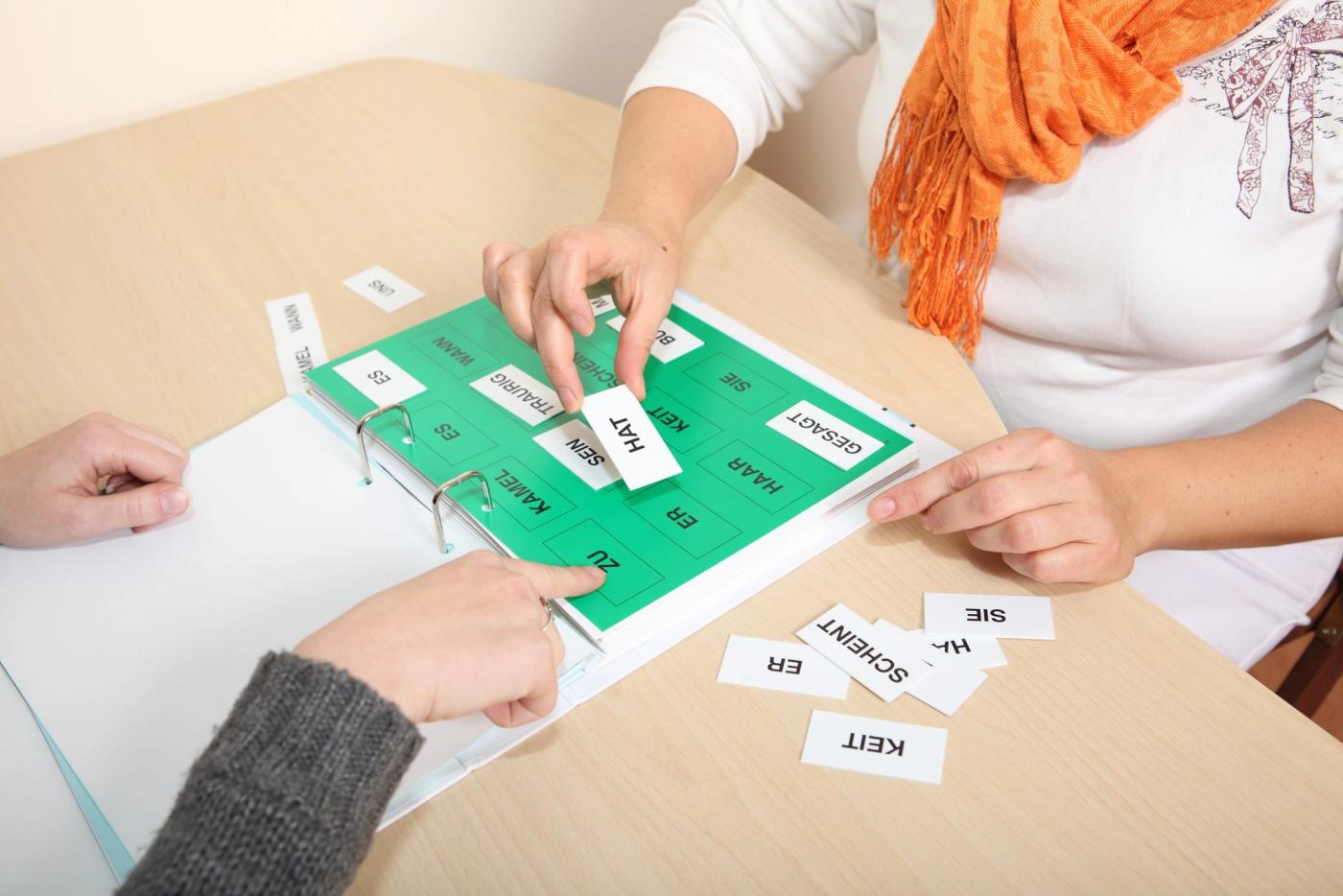
If you or your child has a dyslexia assessment coming up, it’s completely normal to wonder what will happen on the day. The good news is that an assessment isn’t an exam and there’s no need to revise or prepare for it.
The aim is simply to understand how you learn, where your strengths lie, and whether there are any areas where some additional support could help.
Before the assessment
Before the appointment, you may be asked to complete a short questionnaire about things like reading, writing, spelling, education and any difficulties you’ve noticed.
For children and young people, we may also ask for some information from their school or college to help us build a fuller picture.
What happens during the assessment?
During the assessment, you’ll work through a range of activities with a qualified assessor.
These may look at areas such as:
- Reading and reading speed
- Spelling and writing
- Memory and processing
- Language skills
- Problem solving
Some activities may feel easy while others might be more challenging — and that’s absolutely fine. There are no pass or fail marks.
Your assessor will explain everything as you go and you’ll be able to ask questions or take a break whenever you need one.
What happens afterwards?
Once the assessment is complete, your assessor will review the results and prepare a detailed report.
The report will explain what was found, highlight strengths and areas of difficulty, and provide practical recommendations for support at school, university, work or at home.
If the assessment identifies dyslexia, this will also be clearly explained within the report.
Most importantly: don’t worry
A dyslexia assessment is designed to help you understand the way your brain processes information — not to judge how clever or capable you are.
For many people, getting that understanding can be a really positive step towards finding strategies and support that make learning a little easier.